Hormones are the body's chemical messengers. They help regulate metabolism, mood, sleep, reproduction, growth and energy. When hormones are balanced, many systems run smoothly. When they shift, you may notice changes that affect how you feel day to day.
Signs that hormones may be out of balance
- Persistent tiredness or low energy, even after rest
- Changes in mood, irritability or feeling anxious
- Unexplained weight changes or shifts in appetite
- Sleep difficulties or night sweats
- Changes in skin, hair or menstrual cycles
- Reduced motivation, focus or libido
Hormonal health for women
Women experience natural hormonal shifts throughout life, from menstrual cycles to pregnancy and menopause. Each stage can bring different symptoms. Understanding what is typical — and what deserves attention — helps women seek support at the right time.
Hormonal health for men
Men also experience hormonal changes, particularly in testosterone levels over time. Symptoms such as fatigue, reduced muscle strength, low mood or sleep problems are sometimes linked to these changes and are worth discussing with a doctor.
Feeling "not like yourself" is a valid reason to start a conversation with your doctor.
Everyday habits that help
Balanced meals with plenty of vegetables, protein and healthy fats, regular physical activity, consistent sleep and effective stress management all support healthy hormone function. Limiting alcohol and processed foods can also help.
When to seek guidance
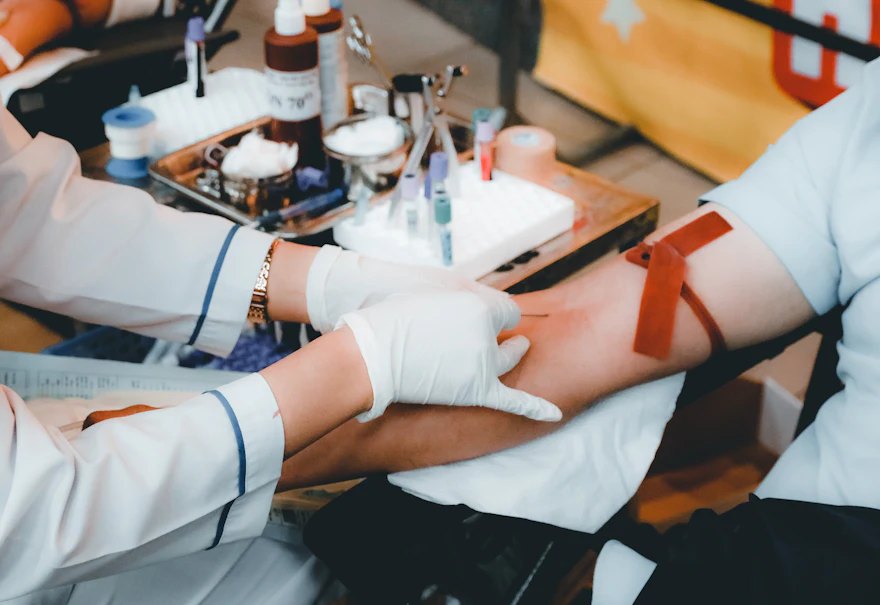
If symptoms affect your daily life, a healthcare professional can assess your hormonal health, recommend tests if needed and create a plan that fits your situation.
This article is for general education only and is not a substitute for medical assessment or treatment.